

News
Micron-Level Precision: Unveiling the "Cold" Cutting Revolution in CGM Printed Electrode Manufacturing (3)
IV. Industry Applications and Benefit Analysis: Why Are Leading Enterprises Turning to Ultraviolet Picosecond Technology?
The application of ultraviolet picosecond laser cutting technology in CGM electrode manufacturing has brought significant benefit improvements. The electrode edge burrs are controlled within ≤0.01mm, and the heat-affected zone is reduced to ≤0.02mm, which means the interface between the electrode and the biofilm is more stable, and the sensor performance is more reliable.
In the field of biosensors, tiny structural changes may also affect detection sensitivity and accuracy. Electrodes processed by ultraviolet picosecond laser cutting machines have an electrochemical performance consistency improvement of more than 30%, greatly improving the calibration accuracy and service life of the sensor.
According to industry practice, a single CCD positioning can complete the processing of the entire plate of materials, and the high-speed beam splitting system can realize simultaneous processing of dual stations, increasing production efficiency by more than 40%. For manufacturers, this means a shorter production cycle and higher capacity utilization, gaining a key advantage in market competition.
Transcend Laser provides a complete set of solutions for CGM electrode manufacturers from process development to mass production, helping enterprises quickly achieve technological upgrading and capacity improvement.
V. Innovative Technology and Future Development: What's Next for Ultraviolet Picosecond Laser Cutting?
Ultraviolet picosecond laser cutting technology is still constantly innovating and developing. Some leading manufacturers have developed the "rounded corner homogenization" technology of light spots, which solves the problem of heat accumulation in laser rounded corner cutting and further improves the precision of CGM electrode cutting.
In terms of environmental protection, the application of the Hengfeng quick-opening dust extraction system effectively removes smoke and static electricity generated during processing, ensuring the cleanliness of the production environment, which is particularly in line with the clean room requirements for medical device production.
As CGM devices develop towards smaller size, higher precision, and longer service life, higher requirements are put forward for electrode cutting technology. Future ultraviolet picosecond laser cutting machines will develop in the direction of higher precision, faster speed, and more intelligence.
Transcend Laser is committed to expanding ultraviolet picosecond laser cutting technology to more biomedical sensor fields, developing special process packages for different materials and application scenarios, and providing more complete solutions for precision medical device manufacturing.
In the production workshop of a medical technology company in Shanghai, the newly introduced Transcend Laser ultraviolet picosecond laser cutting machine is operating stably. The operator gently clicks the screen, and the equipment automatically completes the entire process of alignment, cutting, and dust removal.
The manager looked at the newly offline CGM electrode assembly with smooth and flawless edges and a batch consistency of up to 99.8%, nodding with satisfaction. "The precision of our sensor has finally reached the international leading level."
With the continuous improvement of ultraviolet picosecond laser cutting technology, smaller, more precise, and more reliable biosensors are changing the health management methods of diabetes patients around the world. As a leader in this technical field, Beyond Laser will continue to promote the innovation and breakthrough of CGM electrode manufacturing processes.
-
 Aug 25, 2026
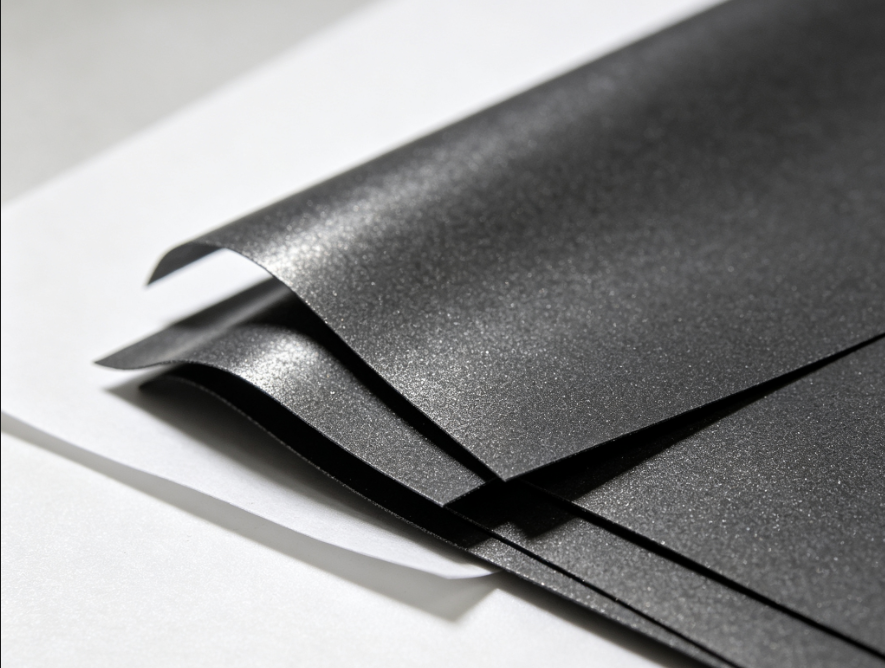
UV Picosecond Laser Cutting: The Revolutionary Choice for Precision Graphite Sheet Processing
-
 Aug 18, 2026
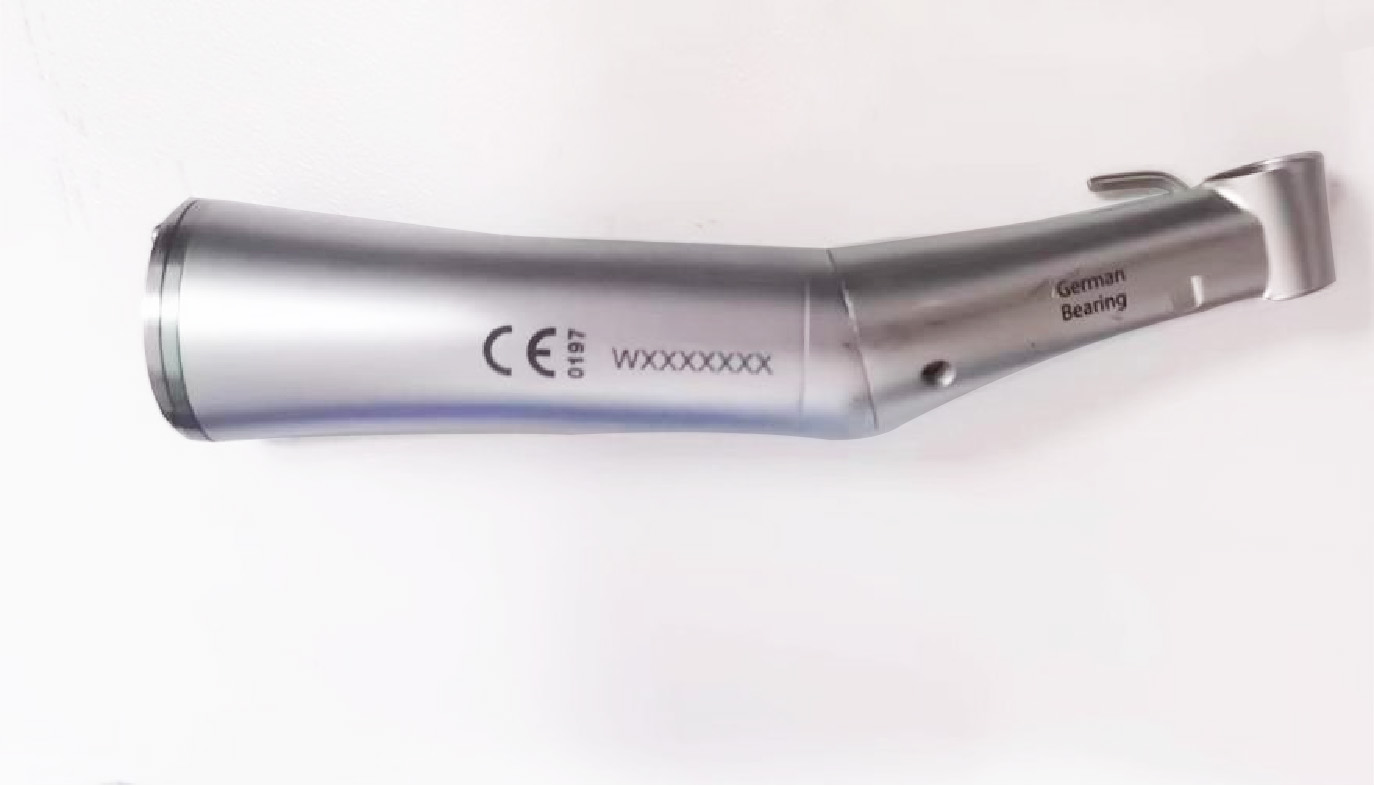
Picosecond vs. Femtosecond Lasers: The Future of UDI Marking & Micro-Machining in Medical Devices
-
 Aug 05, 2026
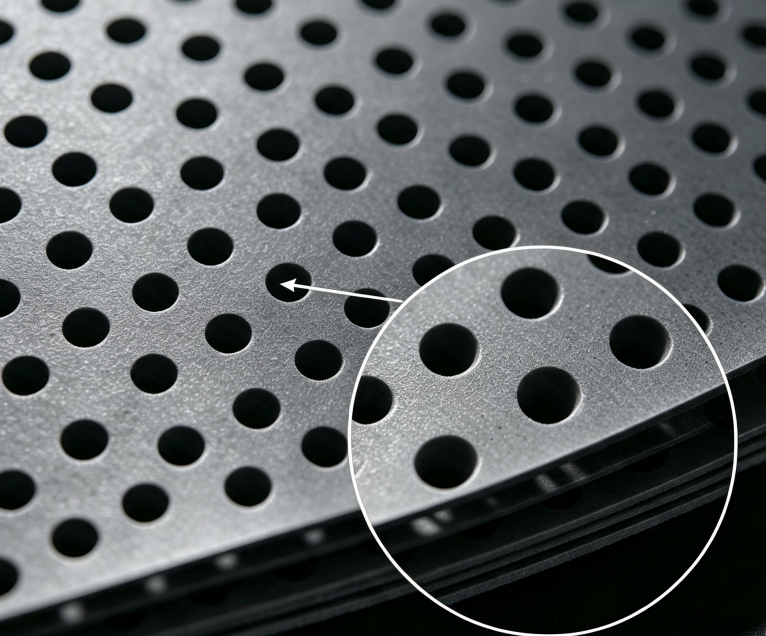
Precision Micro-Drilling in Ceramic and Ferrite Inductors: The Green Picosecond Advantage


-
What are the precautions for operating a laser marking machine?
1. It is strictly prohibited to start the laser power supply and Q-switching power supply when there is no water or the water circulation is abnormal.
2. The Q power supply is not allowed to operate without load (i.e., the output terminal of the Q power supply should be left floating).
3. In case of any abnormal phenomenon, first turn off the galvanometer switch and the key switch, and then conduct a check.
4. It is not allowed to start other components before the krypton lamp is lit to prevent high voltage from entering and damaging the components.
5. Pay attention to leaving the output terminal (anode) of the laser power supply suspended to prevent sparking and breakdown with other electrical appliances.
6. Keep the internal circulating water clean. Regularly clean the water tank and replace it with clean deionized water or pure water.
-
What should we do when laser intensity decreases and the marking is not clear enough?
1. Turn off the machine and check if the laser resonant cavity has changed; Fine-tune the resonant cavity lens. Make the output light spot the best;
2. The acousto-optic crystal is offset or the output energy of the acousto-optic power supply is too low;
Adjust the position of the audio-visual crystal or increase the working current of the audio-visual power supply;
3. The laser entering the galvanometer deviates from the center: Adjust the laser;
4. If the current is adjusted to around 20A but the light sensitivity is still insufficient: the krypton lamp is aging. Replace it with a new one.
-
How to maintain a UV laser cutting machine?
1. It is required to carry out regular cleaning every day, remove debris from the countertop, limiters and guide rails, and spray lubricating oil on the guide rails
2. The waste materials in the collection box should be cleared regularly to prevent excessive waste from blocking the exhaust port.
3. Clean the chiller once every 15 days, drain all the internal water, and then fill it with fresh pure water.
4. The reflector and focusing lens should be wiped with a special cleaning solution every 6 to 8 hours.
When wiping, use a cotton swab or cotton swab dipped in the cleaning solution to wipe from the center to the edge of the focusing lens in a counterclockwise direction.
At the same time, be careful not to scratch the lens.
5. The indoor environment can affect the lifespan of the machine, especially in damp and dusty conditions.
A damp environment is prone to causing rust on the reflective lenses and also easily leading to short circuits, discharge and sparking of the velvet laser.
-
What accidents might be caused by the laser emission when using a laser cutting machine?
(1) A fire was caused by the laser coming into contact with flammable materials.
Everyone knows that the power of laser generators is very high, especially when it comes to high-power laser cutting machines, the temperature of the emitted laser is extremely high. The possibility of a fire being caused when a laser beam comes into contact with flammable objects is very high.
(2) Harmful gases may be produced when the machine is in operation.
For instance, when cutting with oxygen, it undergoes a chemical reaction with the cutting material, generating unknown chemical substances or fine particles and other impurities. After being absorbed by the human body, it may cause allergic reactions or discomfort in the lungs and other respiratory tracts. Protective measures should be taken when conducting work.
(3) Direct laser exposure to the human body can be harmful.
The damage caused by lasers to the human body mainly includes damage to the eyes and skin. Among the harms caused by lasers, the damage to the eyes is the most severe. Moreover, damage to the eyes is permanent. So when doing homework, you must pay attention to protecting your eyes.
-
What is the focused spot diameter of nanosecond, picosecond and femtosecond laser?
Nanosecond: The light spot is 0.5-1mm.
Picosecond: The focused spot is around 0.02mm.
Femtosecond: Under the action of a laser beam with a high repetition rate of 100-200KHz and a very short pulse width of 10ps,
the focused spot diameter is as small as 0.003mm.
-
What are the main applications of UV laser cutting machine?
The UV laser cutting machine can be used for cutting and depaneling PCB.
It can precisely cut and shape various types of PCB circuit boards with V-CUT and stamp holes, and open Windows and covers.
It can also be used for separating packaged circuit boards and ordinary smooth boards.
It is suitable for cutting various types of PCB substrates, such as ceramic substrates, rigid-flex boards, FR4, PCBs, FPCs, fingerprint recognition modules, cover films, composite materials, copper substrates, aluminum substrates, etc.
-
Precautions for laser cutting machines to process various metal materials?
Copper and brass:
Both materials have high reflectivity and excellent thermal conductivity.
Brass with a thickness of less than 1mm can be processed by nitrogen laser cutting.
Copper with a thickness of less than 2mm can be cut. The gas used for laser cutting processing must be oxygen.
Copper and brass can only be cut when a "reflective absorption" device is installed on the system. Otherwise, reflection will damage the optical components.
Synthetic materials:
Processable synthetic materials include: thermoplastics, thermosetting materials and artificial rubber.
Aluminum:
Despite its high reflectivity and thermal conductivity, aluminum materials with a thickness of less than 6mm can be cut, depending on the type of alloy and the capacity of the laser.
When cutting with oxygen, the cutting surface is rough and hard.
When nitrogen is used, the cutting surface is smooth.
Pure aluminum is extremely difficult to cut due to its high purity.
Only when a "reflection and absorption" device is installed on the fiber laser cutting machine system can aluminum materials be cut.
Otherwise, reflection will damage the optical components
-
What should be paid attention to when laser cutting stainless steel?
Laser cutting processing of stainless steel requires the use of oxygen, under the condition that edge oxidation is not a concern.
If nitrogen is used to achieve an edge free of oxidation and burrs, no further processing is required.
Coating an oil film on the surface of the sheet will achieve a better perforation effect without reducing the processing quality.